
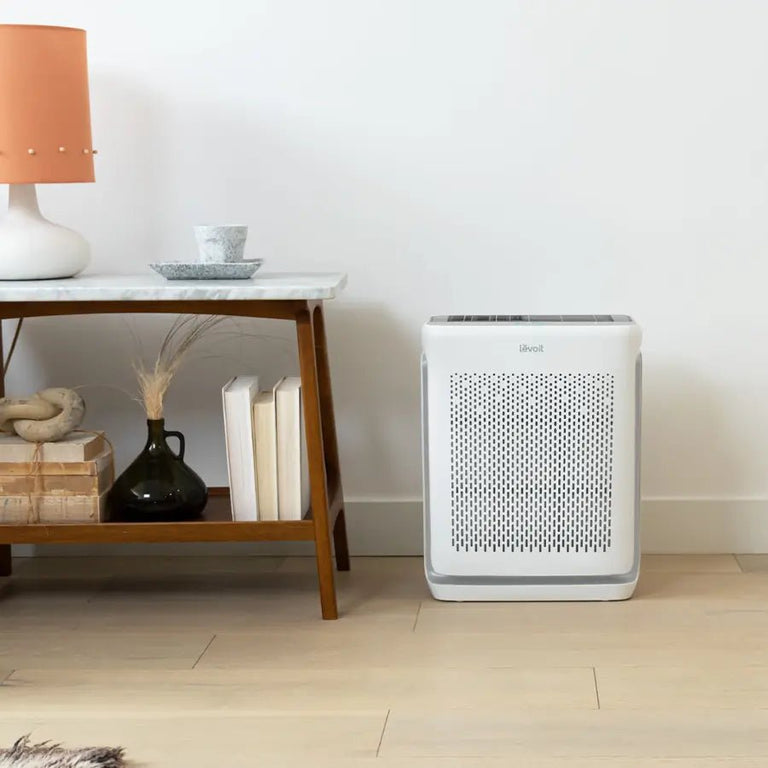
Direct answer: Placement affects how much room air reaches the filter, how noise travels, and whether the unit can operate safely and consistently. The goal is circulation. A purifier works on air that reaches it, so placement should support mixing across the occupied zone. Keep the unit stable, protect it from spills, and choose a location where you will actually leave it running.
Keep the intake and exhaust clear according to the manual.
Place the unit where it can mix room air, not hidden behind furniture.
Bedrooms, kitchens, and smoke events may need different placement choices.
Placement cannot replace ventilation or source control.
| Question | Practical answer |
|---|---|
| Can I put an air purifier in a corner? | Only if the model’s intake and exhaust clearance remain clear. A corner may reduce circulation. |
| Should it be on the floor or a table? | Use the position recommended for the model. Stability, intake location, and room dust matter more than a universal rule. |
| Can I put it beside my bed? | Often, but check noise, airflow, display brightness, and clearance. Avoid directing airflow uncomfortably at your face. |
| Should a purifier be near a window? | It depends on the goal. During outdoor smoke, keep windows closed when appropriate and place the unit in the occupied room. |
What is the short answer?
Place a portable purifier where it can draw and return air without obstruction, while staying within the manufacturer’s clearance and safety guidance. The best location is usually an open area of the room, not inside a cabinet, behind a curtain, or pressed against a wall that blocks the intake.
The goal is circulation. A purifier works on air that reaches it, so placement should support mixing across the occupied zone. Keep the unit stable, protect it from spills, and choose a location where you will actually leave it running.
Why start with the manual and airflow pattern?
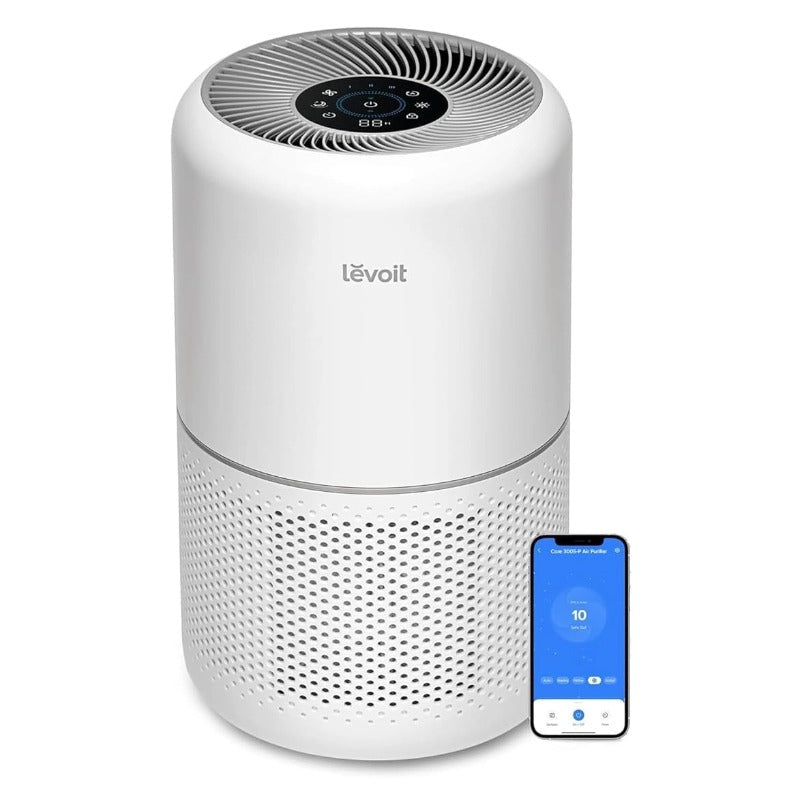
Different models use different intake and exhaust layouts. Some draw from the sides, others from the back or bottom, and some exhaust upward. Before choosing a location, identify every intake, the clean-air outlet, the power cord, and the required clearance.
Do not assume that a small gap is enough because the unit fits physically. A blocked intake can reduce airflow, increase noise, or make the machine work harder. A blocked outlet can send treated air into furniture instead of the room.
What matters in bedrooms and sleep spaces?
In a bedroom, place the purifier where it can clean the occupied zone without blowing directly into your face or creating an unwanted draft. A bedside position can be convenient, but it also makes sound and display brightness more noticeable.
Use the lowest setting that gives you a reasonable balance between operation and comfort, then check the filter and intake periodically. If the unit wakes you, a higher-capacity purifier at a lower fan speed may be a better fit than a small unit running loudly.
What changes in kitchens with smoke and odors?
For cooking, the range hood or outdoor exhaust should address the source first. A purifier can supplement the room after the source is controlled, but placing it directly beside a hot, greasy, or wet source may be unsafe or hard on the filter.
For smoke events, keep doors and windows closed when appropriate, reduce indoor sources, and place the purifier in the room where people are sheltering. The unit should not be treated as a reason to ignore official air-quality guidance or ventilation needs.
How do furniture, corners, and open doors affect placement?
Corners can be quiet, but they may reduce circulation. A purifier behind a sofa may process less of the room air than the same unit placed in an open area. Open doors also change the air volume being treated, so a unit sized for one closed room may be less effective when the room is connected to a hallway or larger space.
If you must place the unit near a wall, follow the exact clearance guidance. Do not hide it under a desk unless the intake and exhaust remain clear and the manual permits the arrangement. Make placement part of the room layout rather than an afterthought.
What placement test can you repeat?
Take a photo of the room and mark the intake, exhaust, occupied zone, source, and door. Try one placement for a few days, keeping the operating schedule consistent. Note noise, airflow, smell, and whether the filter loads unusually quickly.
This is not a laboratory test, but it is a useful ownership check. If the unit is annoying, inaccessible, or constantly obstructed, the problem may be placement rather than the purifier itself.


What should you verify in practice?
Before buying or changing a setup, write down the room, the main concern, the operating schedule, and the result you are trying to improve. This simple record prevents a product page from becoming the entire decision. It also makes later troubleshooting easier because you can separate a room problem from a machine problem. If the purifier is moved, the door position changes, or a new source appears, note the change instead of treating the result as a permanent product verdict.
Check the current manufacturer manual, not only a retailer listing. Look for the exact model number, filter code, room assumptions, clearance instructions, sound information, control behavior, and replacement guidance. Product pages can change and marketplace listings can combine several variants under one title. A model-specific manual is the safer reference for installation and maintenance. If the manual is unavailable, treat that as a buying concern rather than filling the gap with a guess.
Separate what can be observed from what needs a controlled measurement. A quieter room, less visible dust, or a different smell may be useful household observations, but they do not prove that every pollutant has been removed. Consumer sensors can show trends and may be useful for troubleshooting, but they are not automatically a laboratory instrument. For health-related questions, keep the site’s guidance general and speak with a qualified professional about symptoms, diagnosis, or treatment.
Keep ownership in the calculation. A purifier that is difficult to place, noisy at the required setting, or expensive to maintain may not be a good fit even when its headline specification looks strong. Confirm that the replacement filter is available, that the power cord and controls suit the room, and that the device can run without blocking a walkway or creating a trip hazard. A sustainable routine is more valuable than an impressive specification that goes unused.
Finally, revisit the setup after the first maintenance cycle. Inspect the intake, filter condition, airflow, sound, and the source of the original concern. If the result is disappointing, test one change at a time: move the unit, change the operating schedule, address the source, or replace the filter when instructed. Do not silently convert an unverified household observation into a universal ranking. The responsible conclusion may be that the room needs a different intervention, a different size, or professional advice.
A useful final check is to compare the decision with the room you can actually maintain. Record the date, model, filter code, operating setting, placement, and any relevant source event. Recheck the same fields after a week and again after the first maintenance cycle. This does not create a laboratory result, but it creates a more honest ownership record and makes it easier to ask a manufacturer or qualified professional a precise question. It also keeps the review grounded: a product can be a reasonable fit for one room and routine while being a poor fit for another.
What questions do people ask most?
Can I put an air purifier in a corner?
Only if the model’s intake and exhaust clearance remain clear. A corner may reduce circulation.
Should it be on the floor or a table?
Use the position recommended for the model. Stability, intake location, and room dust matter more than a universal rule.
Can I put it beside my bed?
Often, but check noise, airflow, display brightness, and clearance. Avoid directing airflow uncomfortably at your face.
Should a purifier be near a window?
It depends on the goal. During outdoor smoke, keep windows closed when appropriate and place the unit in the occupied room.
Can a purifier remove kitchen smoke?
It may reduce some particles after they enter the room, but source control and an outdoor-vented hood are more direct.
Which sources help verify this?
Use these first-party sources to verify the general guidance. Product specifications, prices, availability, and safety instructions still need model-specific checking.